The Art of Packaging: How to Ship Like a Pro

Learn how to package like a pro: choose the right box size, cushion fragile items, seal with the H-taping method, and label correctly so every shipment arrives intact and on budget.
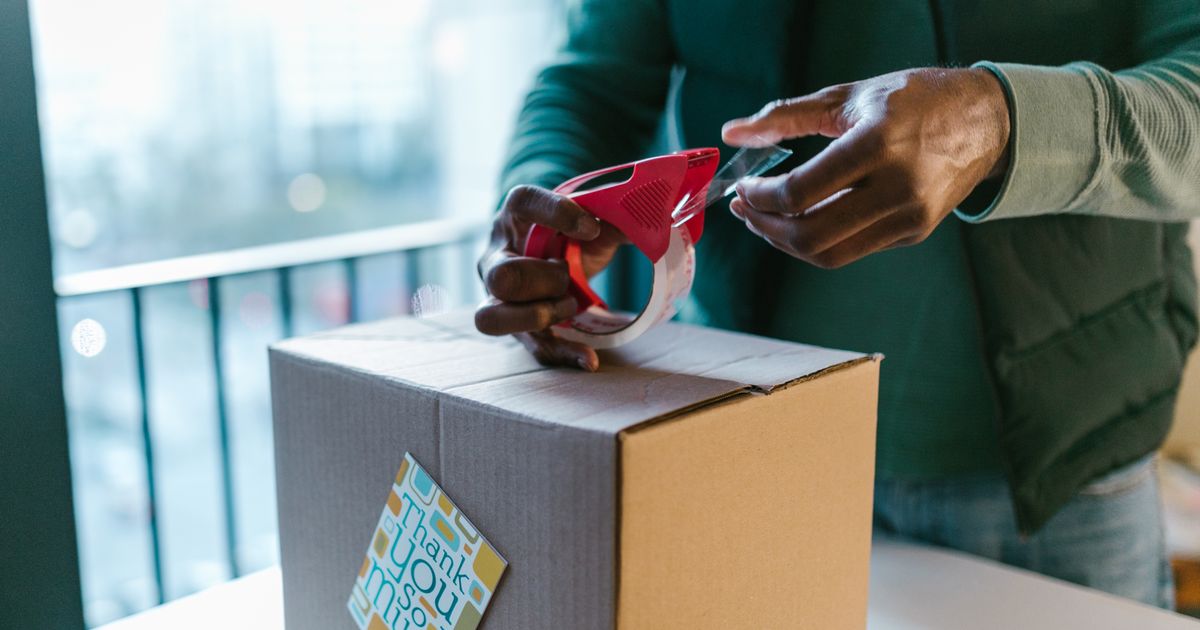
Packaging is the most underrated decision in the entire shipping process. Get it right and your products arrive intact, your customers stay happy, and your costs stay predictable. Get it wrong and you pay twice — once in damaged-goods refunds, and again in surcharges you never saw coming.
This guide breaks down how to package like a pro: choosing the right box, cushioning fragile items, sealing securely, and labeling so every shipment moves without a hitch.
Why Smart Packaging Protects Your Margins and Your Brand
Every carrier prices a shipment on two numbers: how much it weighs and how much space it takes up. An oversized box doesn't just look wasteful — it can trigger dimensional weight pricing, where you're billed for the volume of the box rather than the weight of what's inside. Right-sizing your packaging is often the fastest way to lower a shipping bill without negotiating a new rate.
Packaging is also the first physical thing a customer touches when an order arrives. A crushed corner or a rattling box undermines trust before they even see the product. Thoughtful packaging protects both the item and the impression it leaves.
How to Choose the Right Box Size
Start with the product, not the box. Measure the item, add room for cushioning on every side, and pick the smallest box that comfortably fits. A snug fit reduces movement in transit and shrinks the dimensional weight you pay for.
Small, sturdy items: a right-sized corrugated box prevents rattling.
Fragile goods: double-wall boxes add a crucial margin of protection.
Soft, non-breakable items: poly mailers cut both weight and cost.
Reserve recycled boxes for light, durable goods — a used box has already lost much of its structural strength.
Cushioning: How to Protect Fragile Items in Transit
Cushioning fills empty space and absorbs shocks so your product — not the packaging — survives the journey. Match the material to what you're shipping:
Air pillows: cheap and light; ideal for filling voids around non-fragile items.
Bubble wrap: real impact protection — wrap fragile items twice, with the bubbles facing in.
Foam or paper: great for delicate surfaces that scratch easily.
The test is simple: nothing should shift when you give the sealed box a gentle shake.

How to Seal a Package So It Survives Shipping
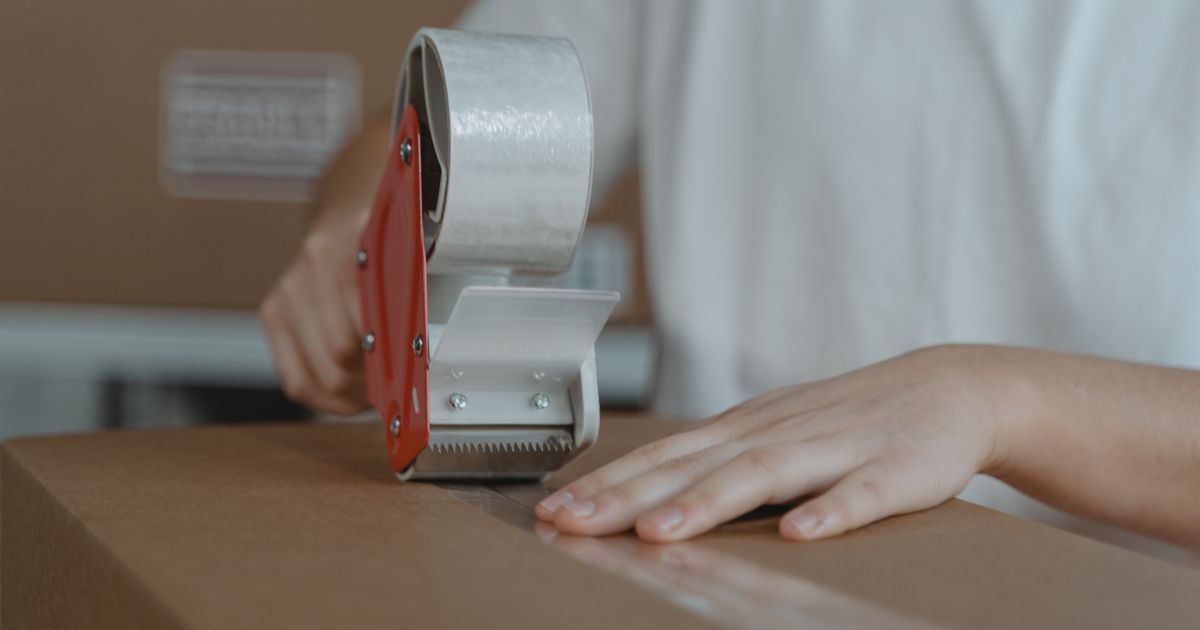
Use proper packing tape at least two inches wide, and seal with the H-taping method: run tape along the center seam, then across both edge seams on the top and bottom. This locks the flaps down and keeps the box from popping open under pressure.
Skip masking tape, duct tape, and string — they don't hold up to the handling a package gets in a sorting network.
Shipping Label Placement Best Practices
Place the label flat on the largest top surface, away from seams and corners where it can tear or smudge. Keep the barcode crisp and uncovered so scanners get a clean read at every stop, and remove or cover any old labels so the package isn't misrouted.
Key Takeaways: Package Like a Pro
Right-size the box to cut dimensional-weight surcharges.
Cushion until nothing moves when you shake the box.
Seal with the H-taping method and quality tape.
Keep labels flat, clean, and scannable.
Nail these four fundamentals and you'll spend less on shipping, see fewer damage claims, and turn every delivery into a moment customers remember. Put them to work on your very next order.
Thermal Printers for eCommerce: Faster, Cheaper Shipping Labels
Thermal printers cut label costs and speed up fulfillment for eCommerce. See how they beat inkjet and laser, …
Read → May 30, 2026Getting Started with the Shipping Label API
Learn how to integrate the Shipping Label API to generate labels, validate addresses, get rate quotes, and automate …
Read →