Address Verification: Why It Matters and How It Works

Address verification checks shipping addresses against the USPS database before label generation — preventing costly returns, lost packages, and refunds.

Every undeliverable package costs you money twice — once in return shipping and once in a customer refund. Address verification stops that loss before it starts by confirming a shipping address is real, reachable, and correctly formatted the moment a customer types it in. Understanding how address verification works — and when to use it — can meaningfully reduce your delivery failure rate and protect your bottom line.
What Address Verification Is
Address verification is the process of checking a customer-entered shipping address against the USPS Address Management System (AMS) database before a shipping label is generated. The check confirms three things:
The address exists as a recognized USPS delivery point
The formatting is correct (street suffixes, directionals, unit designators)
The ZIP+4 code is accurate and standardized
The result is a standardized address that matches exactly what USPS expects to see on a label, which gives the package the best possible chance of arriving at the right door on the first attempt.
Why Address Verification Matters
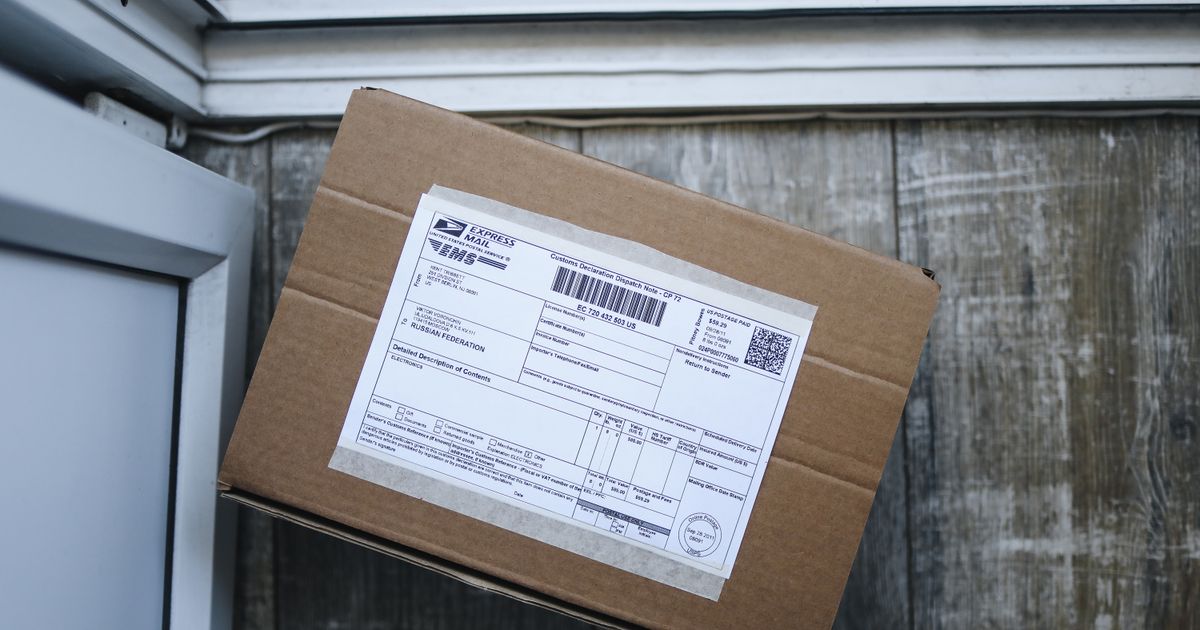
Bad addresses are expensive — and the cost shows up in multiple ways. A package sent to a wrong or non-existent address typically ends in one of three outcomes, all of them costly:
Returned to sender: You pay return shipping on top of the original postage.
Lost in the USPS network: The package stalls and never arrives; you issue a refund.
Delivered to the wrong address: The intended recipient never gets it; you issue a refund anyway.
Each outcome drains money and customer goodwill. USPS data indicates that addressing errors account for a significant share of all delivery failures. The critical insight is that most of those errors are caught at validation time — before any label is generated — which is the cheapest possible point to fix them. A brief address check at checkout costs a fraction of a cent; a mis-shipped package can cost several dollars in shipping plus a full product refund.
How Address Verification Works
The verification process runs automatically in the background as part of your shipping workflow. When a customer enters their address, the shipping platform sends it to a validation service that compares it against USPS records. The service returns one of three results:
Verified: The address matches a recognized USPS delivery point. Standardized formatting is returned — use this version on the label.
Corrected: The entered address had minor errors (a misspelled street name, a missing unit number, an incorrect ZIP code) that the service was able to fix. The corrected version is returned for your review or automatic use.
Unverifiable: The address cannot be matched to any USPS delivery point. The order should be flagged for manual review before a label is generated.
Most validation services also append the ZIP+4 code automatically, which improves delivery precision and can reduce postage costs on certain mail classes.
When to Verify Addresses
Address verification is most valuable at two points in the order lifecycle:
At checkout (real-time validation): Prompt the customer to correct their address before the order is placed. This eliminates the problem at the source and avoids any downstream fulfillment work on a bad address.
At label generation (batch validation): Verify addresses in bulk when orders are imported or pulled into your shipping platform. Catch any addresses that slipped through checkout validation before labels are printed.
High-volume shippers benefit most from validation at both stages. Low-volume operations that take orders manually may find checkout-time validation alone sufficient. In either case, flagging unverifiable addresses for manual review before label creation is essential — printing and paying for a label on a bad address is a preventable waste.
Cost vs Benefit of Address Verification
Address verification services typically charge a small per-lookup fee — often a fraction of a cent per address. That cost is easy to justify when weighed against the expenses it prevents:
Return shipping fees on undeliverable packages
Customer refunds for lost or misdirected shipments
Customer service labor spent resolving delivery complaints
Negative reviews and lost repeat business from delivery failures
For most shipping operations, the break-even point is a single prevented mis-shipment per several thousand orders — a threshold most shippers reach quickly. The ROI improves further at higher volumes, where even a small percentage of address errors translates into a meaningful number of failed deliveries per month.
Key Takeaways
Address verification checks customer-entered addresses against the USPS AMS database before a label is generated.
Unverified bad addresses lead to returns, lost packages, and refunds — all of which cost more than a verification lookup.
The service returns a verified, corrected, or unverifiable status along with standardized formatting and an appended ZIP+4 code.
Verifying at checkout (real-time) and at label generation (batch) provides the strongest protection against delivery failures.
The per-lookup cost is minimal and is typically recovered by preventing just one or two mis-shipments per month.
If your shipping platform does not already include built-in address verification, enabling it should be one of the first optimizations you make. The cost is low, the setup is fast, and the reduction in failed deliveries is immediate. Check your platform's settings or integration options to turn on USPS address validation today.

Thermal Printers for eCommerce: Faster, Cheaper Shipping Labels
Thermal printers cut label costs and speed up fulfillment for eCommerce. See how they beat inkjet and laser, …
Read → Jun 03, 2026The Art of Packaging: How to Ship Like a Pro
Learn how to package like a pro: choose the right box size, cushion fragile items, seal with the …
Read →