How to Save on Shipping: A Guide for Small Businesses

Cut small business shipping costs starting today. Learn which USPS service to choose, how to reduce dimensional weight, and why online postage saves 10–30%.

Shipping costs are one of the largest controllable operating expenses for a small business — and one of the easiest to reduce. A 50-cent saving per label might sound small, but at 100 orders a month that's $600 a year. At 1,000 orders a month, you're looking at $6,000 back in your pocket. The strategies below require no special contracts or volume commitments. Small changes to how you choose services, pack boxes, and buy postage can cut your shipping bill starting with your next label.
Why Shipping Costs Matter for Small Businesses
Unlike fixed costs such as rent or salaries, shipping is a variable expense you can actively manage. Every dollar saved per shipment flows directly to your bottom line. For small businesses operating on tight margins, optimizing shipping isn't optional — it's one of the highest-return actions you can take. The good news: the biggest savings come from simple operational habits, not complex negotiations.
Pick the Right Shipping Service for Every Package
Most small businesses default to a single carrier or service for every order. That's almost always the wrong approach. The right service depends on the package weight and how fast the customer needs it.
USPS Ground Advantage is the lowest-cost option for any package under one pound. It delivers in two to five business days for most domestic destinations.
USPS Priority Mail is the right choice for heavier packages or when the customer needs delivery within two days.
A simple decision rule: weigh the package first. Under 15.99 ounces — use Ground Advantage. Heavier, or traveling more than three zones with a tight deadline — use Priority Mail.
Applying this single rule consistently can cut your average label cost significantly without changing anything else about your operations.
Optimize the Weight You Ship
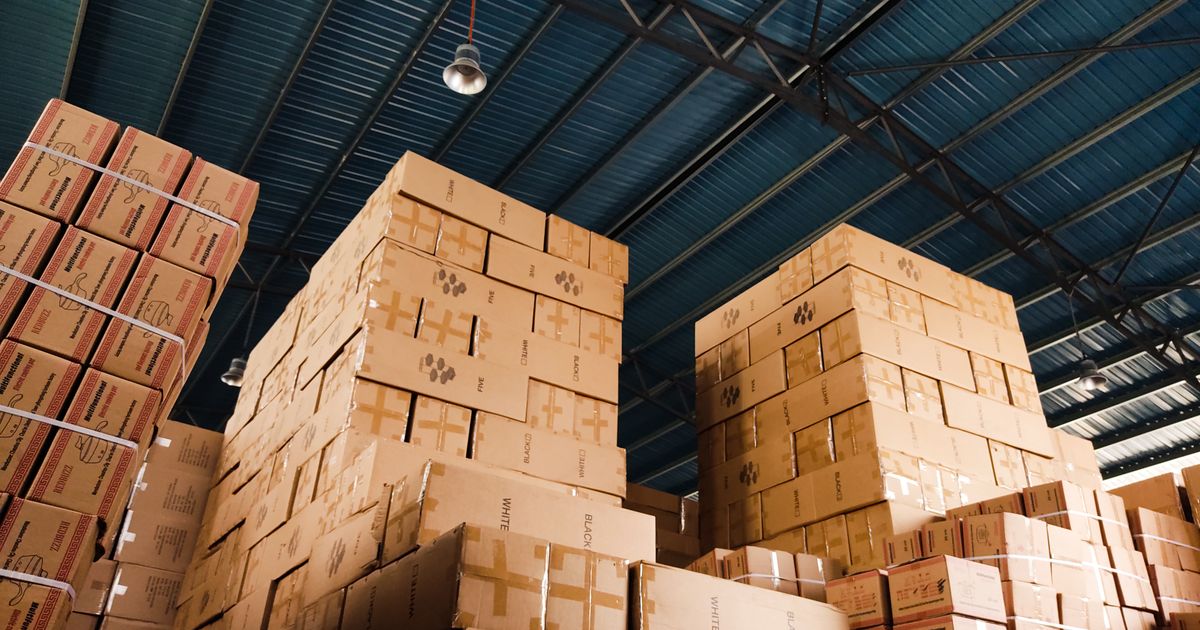
Carriers charge by whichever is greater: actual weight or dimensional weight. Dimensional weight is calculated from the box's volume — meaning a large, lightweight box can cost as much to ship as a small, heavy one. You can reduce your billed weight two ways:
Use the smallest box that fits. Oversized boxes inflate dimensional weight and increase what you pay, even if the contents are light.
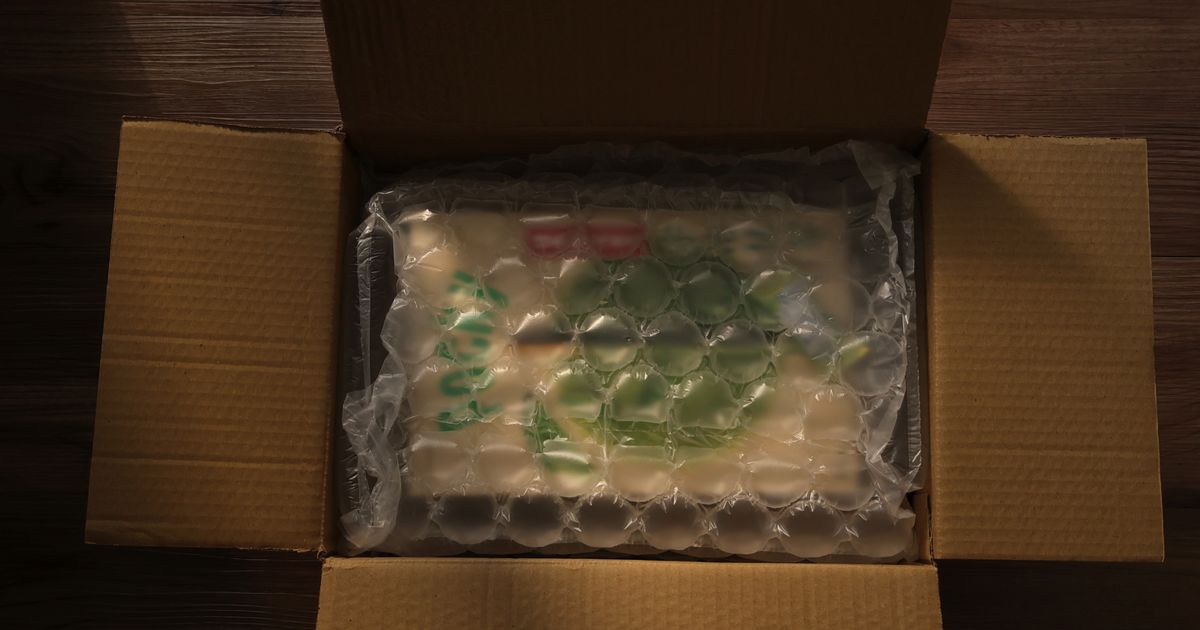
Switch to lightweight void fill. Air pillows weigh far less than bubble wrap or packing paper, lowering actual weight without sacrificing protection.
These two adjustments alone can drop the billed weight on many packages, moving them into a cheaper rate tier.
Audit Your Total Packaging Cost, Not Just the Box
It's easy to track the price of your boxes and stop there, but packaging is a stack of line items — and each one is a place to save. Look at the full picture:
Materials: boxes, mailers, tape, and void fill all add up. Buy in bulk and standardize on a few box sizes instead of stocking dozens.
Void fill and cushioning: right-size the box first so you need less fill, then choose the cheapest material that still protects the item.
Custom vs. standard packaging: branded, printed packaging builds experience but costs noticeably more than plain stock — reserve it for products where the unboxing genuinely matters.
Printed inserts: booklets, manuals, and flyers add both weight and material cost. Include only what the customer needs and move the rest to a QR code or follow-up email.
Right-sizing ties it all together: a box matched to the product needs less fill, weighs less, and ships in a cheaper dimensional tier — trimming cost at every step.
Buy Postage Online, Not at the Post Office
Retail postage purchased at a USPS counter is the most expensive way to ship. Buying labels through any online shipping platform unlocks commercial rates — typically 10 to 30 percent lower than retail prices. The discount applies immediately, with no volume commitment required. The savings pay for themselves on the very first batch of labels you print.
Most e-commerce platforms and shipping tools include online label purchasing. If you're still walking to the post office to buy stamps or pay at the counter for parcels, switching to online postage is the single fastest way to lower your shipping costs today.
Batch Your Shipments
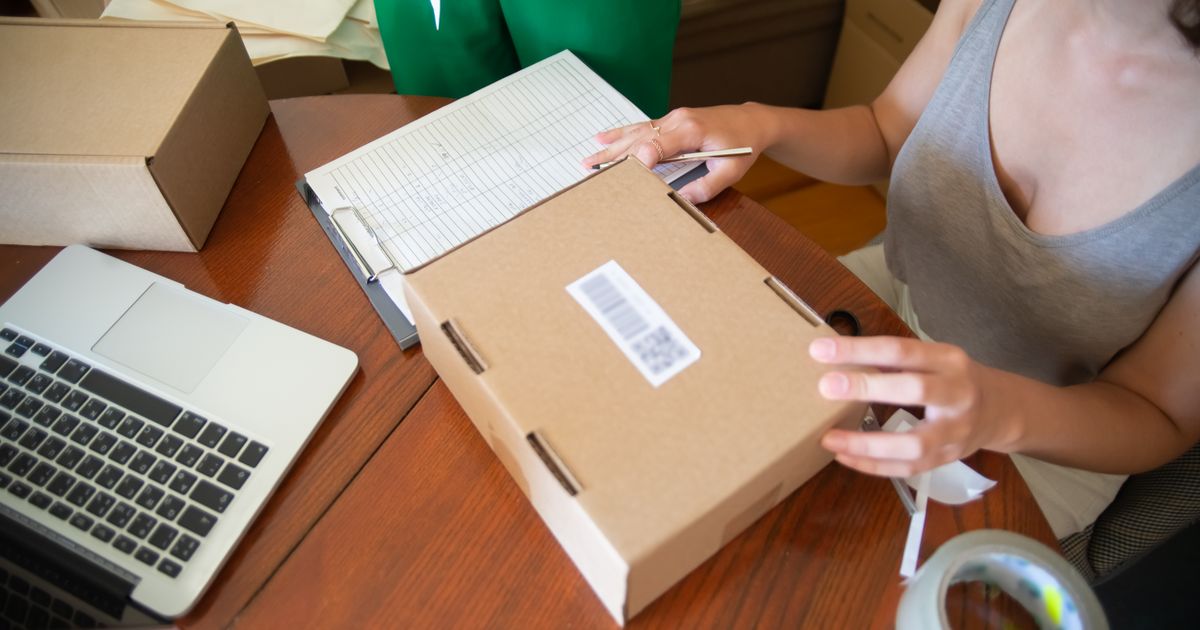
Shipping in batches — rather than printing one label at a time as orders come in — saves time and reduces errors. When you process multiple labels together, it's easier to spot patterns: packages going to the same region, orders that could share a box, or shipments that qualify for a better rate. Batching also makes it simpler to compare carrier options across all your orders at once, so you consistently apply the service-selection rules above rather than defaulting to the quickest option for each individual order.
Key Takeaways
Shipping is one of the most controllable operating expenses for small businesses — small per-label savings compound quickly at scale.
Match the service to the package: USPS Ground Advantage for packages under one pound, Priority Mail for heavier or time-sensitive shipments.
Reduce dimensional weight by using the smallest box that fits and switching to lightweight void fill like air pillows.
Audit your whole packaging stack — materials, void fill, inserts, and custom printing — not just the box price, and cut what the order doesn't need.
Always buy postage online to access commercial rates that are 10–30% lower than retail counter prices.
Batch your label printing to apply consistent rate decisions across all orders and catch optimization opportunities.
Start with the changes that require zero upfront cost: buy your next batch of labels online and weigh each package before choosing a service. Those two steps alone can generate meaningful savings within the first week. From there, right-sizing your boxes and batching shipments will compound the results month after month.
Thermal Printers for eCommerce: Faster, Cheaper Shipping Labels
Thermal printers cut label costs and speed up fulfillment for eCommerce. See how they beat inkjet and laser, …
Read → Jun 03, 2026The Art of Packaging: How to Ship Like a Pro
Learn how to package like a pro: choose the right box size, cushion fragile items, seal with the …
Read →